
Introduction: When encountering issues like “What to do if the Singapore server is slow? The quality of backhaul networks varies among different providers,” it’s important first to understand how the “backhaul network” affects access speed. This article analyzes from three aspects: diagnosis, comparison, and optimization, to help website owners and operations staff quickly identify and improve the online experience.
Why are there slow performance issues with Singapore servers?
Singapore server Slowing down is often not due to a single reason. It may involve issues such as return-link congestion, detours via cross-border backbone routes, packet loss, or jitter. Application-layer factors such as concurrent connection settings or uncompressed resources can also amplify the perception of network latency, requiring a comprehensive investigation of both network and application aspects.
How to diagnose backhaul network bottlenecks
The preferred diagnostic tools include traceroute, mtr, ping, etc., which help identify which section of the backhaul link is problematic by examining hop-by-hop latency and packet loss rates. By combining server logs, monitoring panels, and user geographic distribution, it is possible to determine whether it is a problem with individual nodes, backbone network congestion, or poor interconnection between ISPs.
Key differences in backhaul networks among different operators
The differences in operators’ backhaul lie mainly in backbone interconnection quality, international export capacity, and direct/peering connections with key target markets. Some operators have high-quality direct connections in specific countries, while others rely on third-party relays, resulting in differences in latency or packet loss. When making a choice, one should consider route stability and the layout of peer nodes.
What indicators should be considered when comparing operators' backhaul services
Indicators to focus on when comparing should include average latency, packet loss rate, latency jitter, routing stability (whether routing is frequently changed), as well as SLA and failure response time. The actual backhaul performance of operators can be evaluated through long-term sampling at cross-regional measurement points combined with BGP routing information.
Short-term emergency optimization measures
For quick relief, consider deploying CDN nodes, enabling intelligent DNS or Anycast, adjusting application-layer retransmission and concurrency strategies, or switching to backup links during peak times. At the same time, contact the current operator to investigate the return link and request temporary scheduling or an optimized bypass route.
Long-term purchasing and architecture optimization recommendations
It is recommended over the long term to choose operators with good peering relationships and international exports based on traffic sources, sign clear SLAs, and test multiple testing points. Architecturally, multi-operator redundancy, load balancing, and cross-regional backup can be employed, combined with BGP policies to route traffic based on performance or cost.
Common Misconceptions and Precautions
Avoid making decisions based on a single speed measurement; instead, rely on data from multiple periods and routes. Do not ignore local configurations, server load, or application issues. Before switching carriers, be sure to conduct a small-scale trial run and have a fallback plan in place to ensure business continuity.
Summary and Recommendations
Summary: When facing issues with slow servers in Singapore and comparing the quality of backhaul networks among different operators, first use traceroute/MTR to identify the backhaul bottlenecks, then compare the operators based on latency, packet loss, and routing stability. Short-term relief can be achieved through CDN and intelligent DNS, while in the long term, multi-line redundancy and choosing a high-quality backhaul service provider are advisable. Maintain data monitoring and gradual verification before and after implementation to avoid blind switching.
- Latest articles
- Comparison And Purchase Reference For Direct Supply And Agent Prices For Malaysian Server Supply Channels
- Practical Sharing Of How To Log In To Alibaba Cloud Servers In Japan And Execute Emergency Fault Handling Cases Using A Mobile Phone
- How To Determine Which US Server Hosting Provider Is Best: Analyzing Both Service And Reputation
- Where Can I Find Affordable And Reliable Entry-level Cloud Server Recommendations For Small Businesses In Vietnam?
- Complete Tutorial On How To Configure A Singapore Server Cloud Server On Alibaba Cloud Or Other Platforms
- Best Hardware Configuration Recommendations For Deploying Cambodia VPS For Private Clouds And Distribution Nodes
- The Hong Kong Server Cluster Maintenance Checklist Covers Key Points For Comprehensive Inspections From Hardware To Network
- Enterprise Security Manual: What Level Of Password Is Considered Secure For German Servers?
- Performance Test: US Private VPS 120 Information Network Bandwidth And Latency Measurement Report
- What Is A Native IP Proxy In South Korea, Which Bypasses Applications In Multi-account Management And Regional Restrictions?
- Popular tags
-
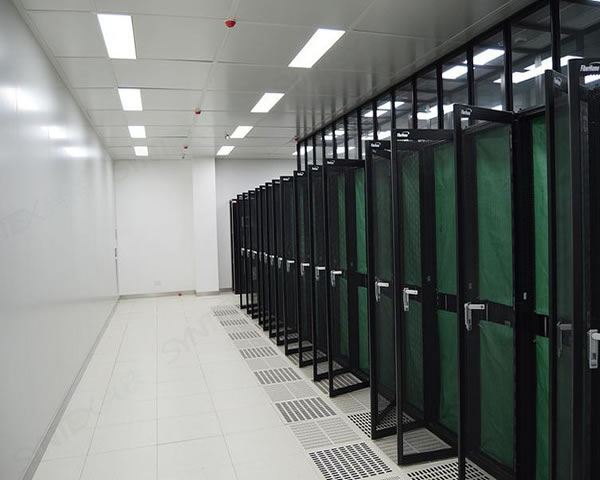
Advantages And Selection Guide Of Triple Network Cn2 Singapore Hosting Computer Room
this article will introduce the advantages and selection guide of the triple network cn2 singapore hosting computer room to help you make a wise decision. -

Comparison Of Cost-effectiveness And Cost-effectiveness In Singapore Server Construction
This article deeply analyzes the cost and cost-effectiveness of Singapore servers, providing you with professional reference when choosing a server. -

Advantages And Challenges Of Domestic Users Using Singapore Servers
Discuss the advantages and challenges of domestic users using Singapore servers, and help users better choose the right server.